Understanding the Role of Tow Trucks in Vehicle Recovery
Vehicle recovery is a critical aspect of modern transportation systems, ensuring that roadways remain clear and safe for all users. At the heart of this process are tow trucks, essential vehicles designed to move disabled, improperly parked, impounded, or otherwise indisposed motor vehicles. Tow trucks have a rich history and have undergone significant evolution over the years, adapting to technological advancements and changing regulations. This article will delve into the history and evolution of tow trucks, examine their different types and uses, and explore the economic, environmental, and societal impacts of tow truck services.
Explore the Early History and Development of Tow Trucks
The concept of vehicle recovery dates back to the early 20th century. The first tow truck was invented in 1916 by Ernest Holmes Sr. in Chattanooga, Tennessee. Holmes was inspired after helping a friend recover a car using ropes and a series of pulleys. His invention utilized a chassis from a 1913 Cadillac and a crane designed to lift vehicles, revolutionizing vehicle recovery.
Throughout the 1920s and 1930s, the demand for tow trucks grew as automobiles became more common. Due to their importance in quickly clearing roadways, tow trucks began to feature in the operations of police and service stations. Early tow truck operators were pioneers in their field, developing techniques that set the foundation for modern vehicle recovery. Their work was pivotal in making roads safer by quickly addressing breakdowns and accidents.
These early models were simple yet effective, and the need for evolution became apparent. As cars became bigger and heavier, enhancements in tow truck designs were necessary. This need spurred innovations that led to the evolution of different tow truck types. The professionals behind the wheel were skilled in both vehicle mechanics and improvisational problem-solving. They laid the groundwork for what would become a sophisticated and crucial industry within transportation services.
Examine Technological Innovations and Advancements in Tow Trucks
With the rise of automobile production, the technology surrounding tow trucks also began to advance. This period saw the introduction of hydraulic systems that significantly improved the lifting and handling capabilities of tow trucks. Hydraulic lifting made the recovery process not only safer but also faster, minimizing disruption on roads. The development of the wheel-lift system in the latter half of the 20th century marked another significant milestone.
As different towing needs emerged, so did specialized tow trucks. The flatbed tow truck, for example, became preferred for high-value or heavily damaged vehicles, ensuring that they were completely lifted off the ground. Integrated tow trucks, which combine wheel-lift and boom features, offered unmatched versatility. This was an era marked by a keen focus on efficiency and the ability to safely manage more complex recovery scenarios. Moreover, technological advancements in communication, such as GPS and mobile technology, have allowed for more efficient dispatch and management of tow trucks.
Today's tow trucks are apt representations of technological achievements. They feature sophisticated onboard computers that assist with diagnostics and automation, enabling operators to safely and efficiently execute complex towing operations. According to WifiTalents, a towing company in the U.S. typically manages approximately 500 to 600 tow calls each year, highlighting the importance of efficient technology in handling such high demand. As we look to the future of tow trucks, ongoing advancements in automation and alternative fuels promise to continue shaping the industry.
Identify Different Types of Tow Trucks and Their Functions
Throughout their history, various types of tow trucks have been developed to handle different recovery scenarios. The classic hook and chain tow truck, still in use today, is one of the oldest designs, primarily used when a vehicle's wheels are non-functional. However, it can potentially damage the car, making it less favorable in many situations. The wheel-lift tow truck is a modern evolution that reduced such risk by lifting the vehicle by its wheels.
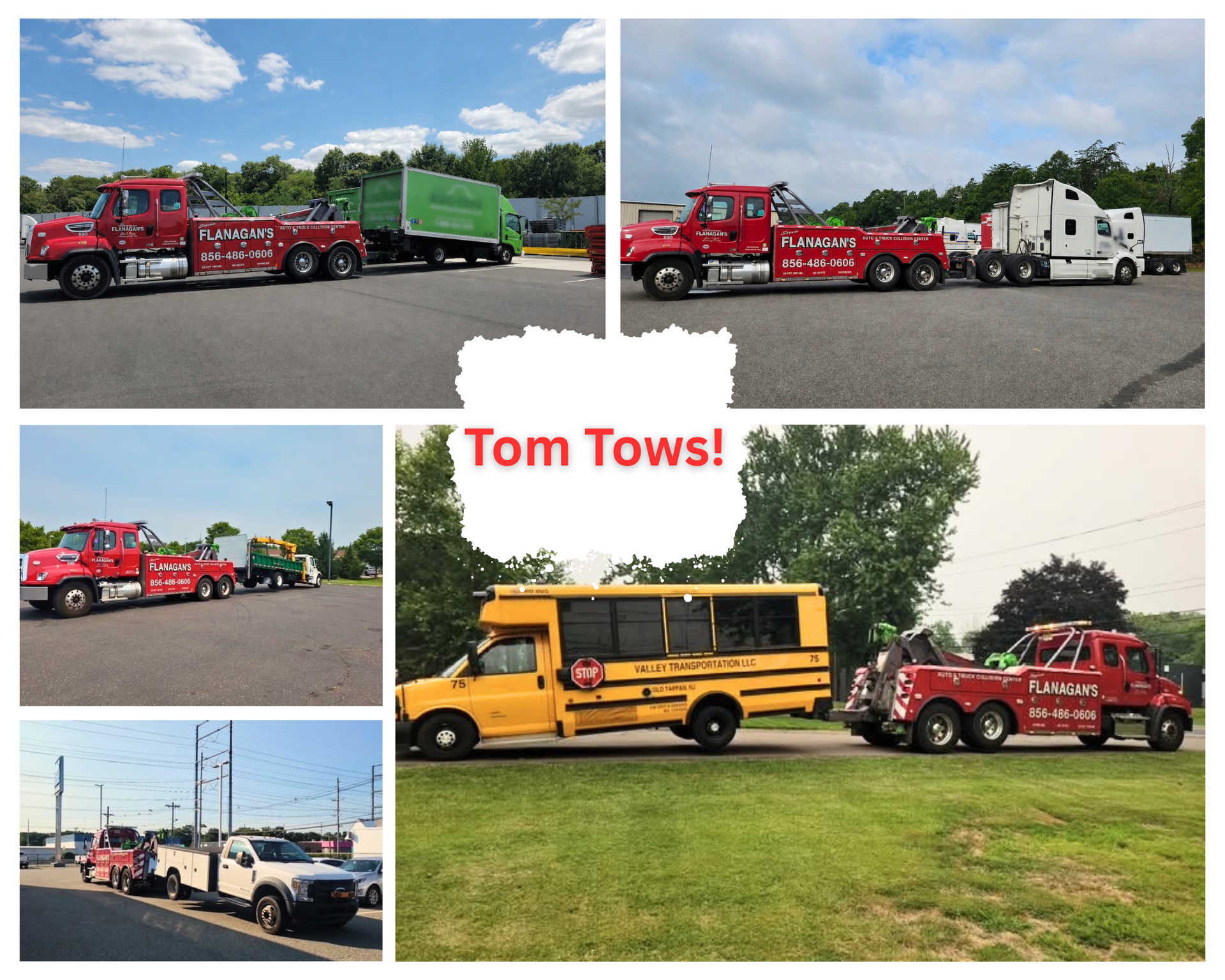
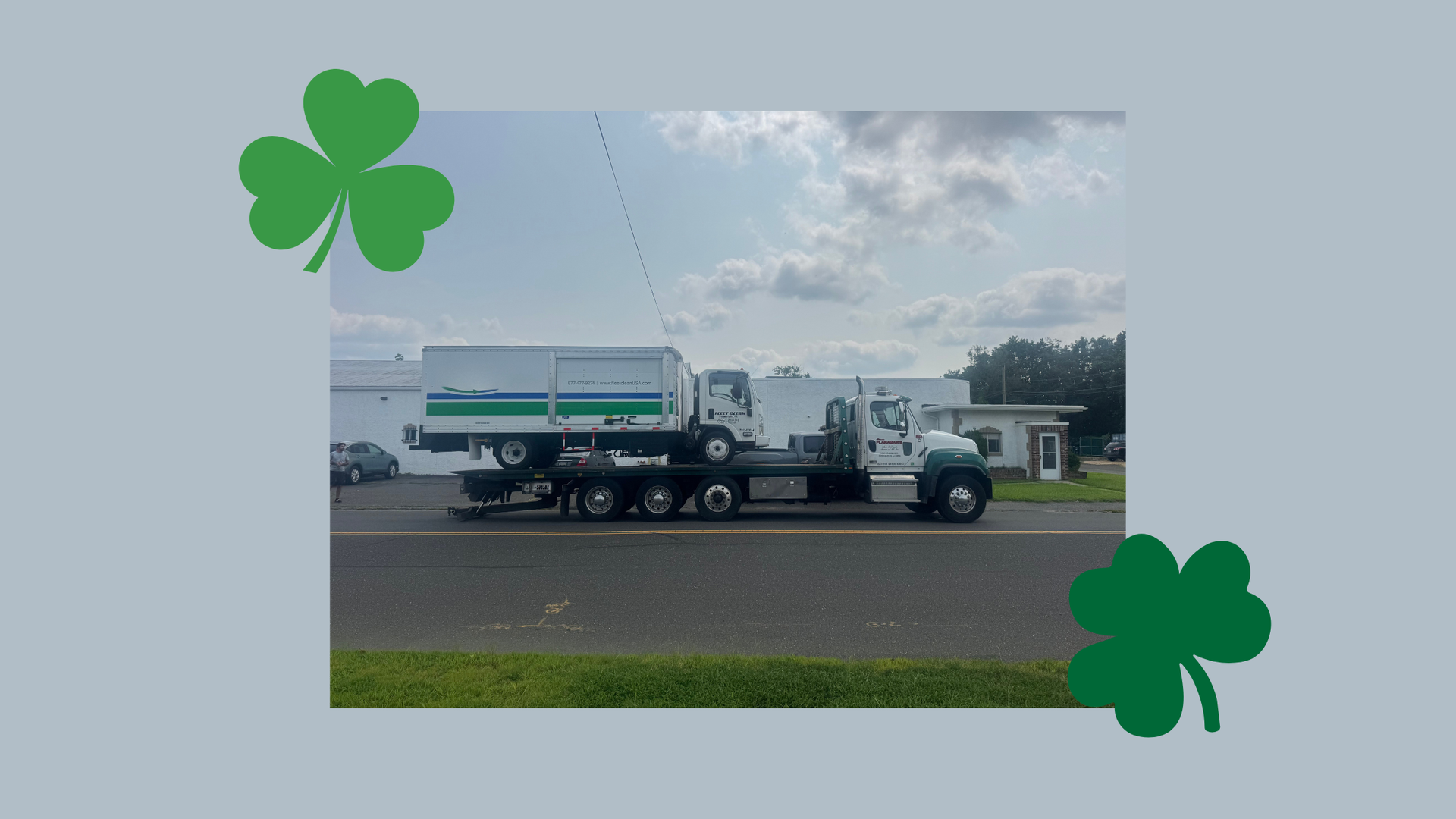
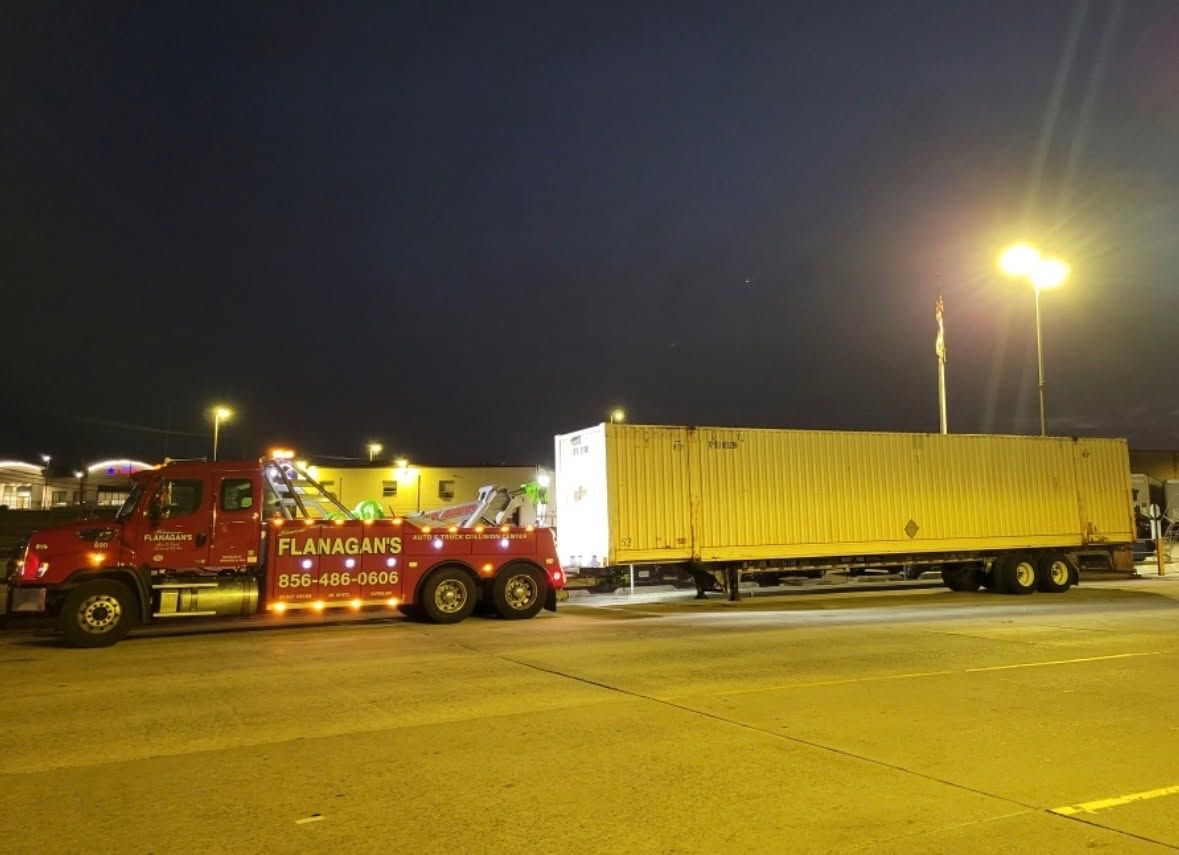
The flatbed tow truck, another widely used model, accommodates vehicles entirely on its deck. This type of truck eliminates the risk of damage from dragging by transporting vehicles wholly off the ground, making it highly suitable for luxury and damaged vehicles. Heavy-duty towing is handled by integrated tow trucks, which are equipped with both lifting and boomed features for large-scale recovery operations.
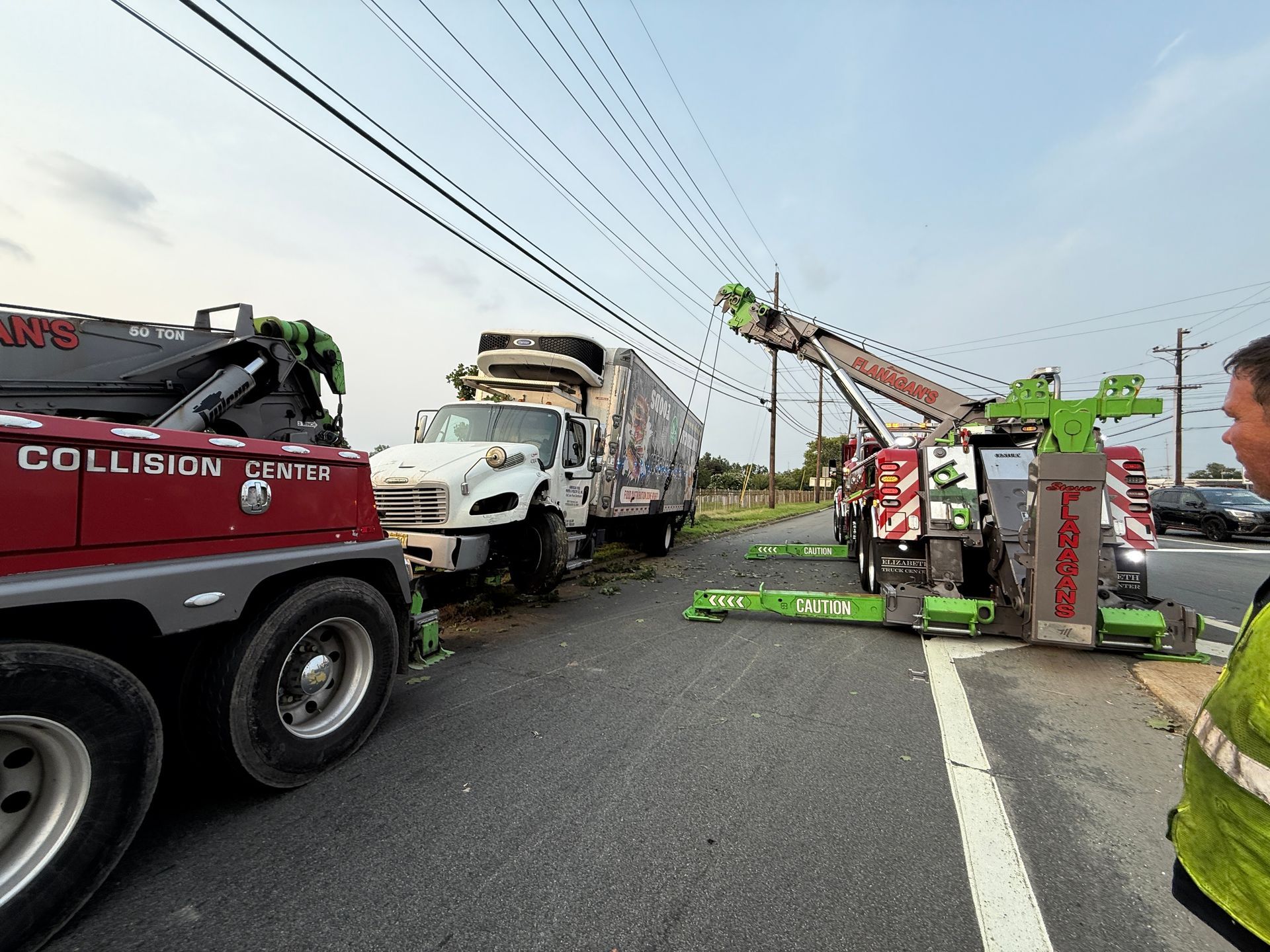
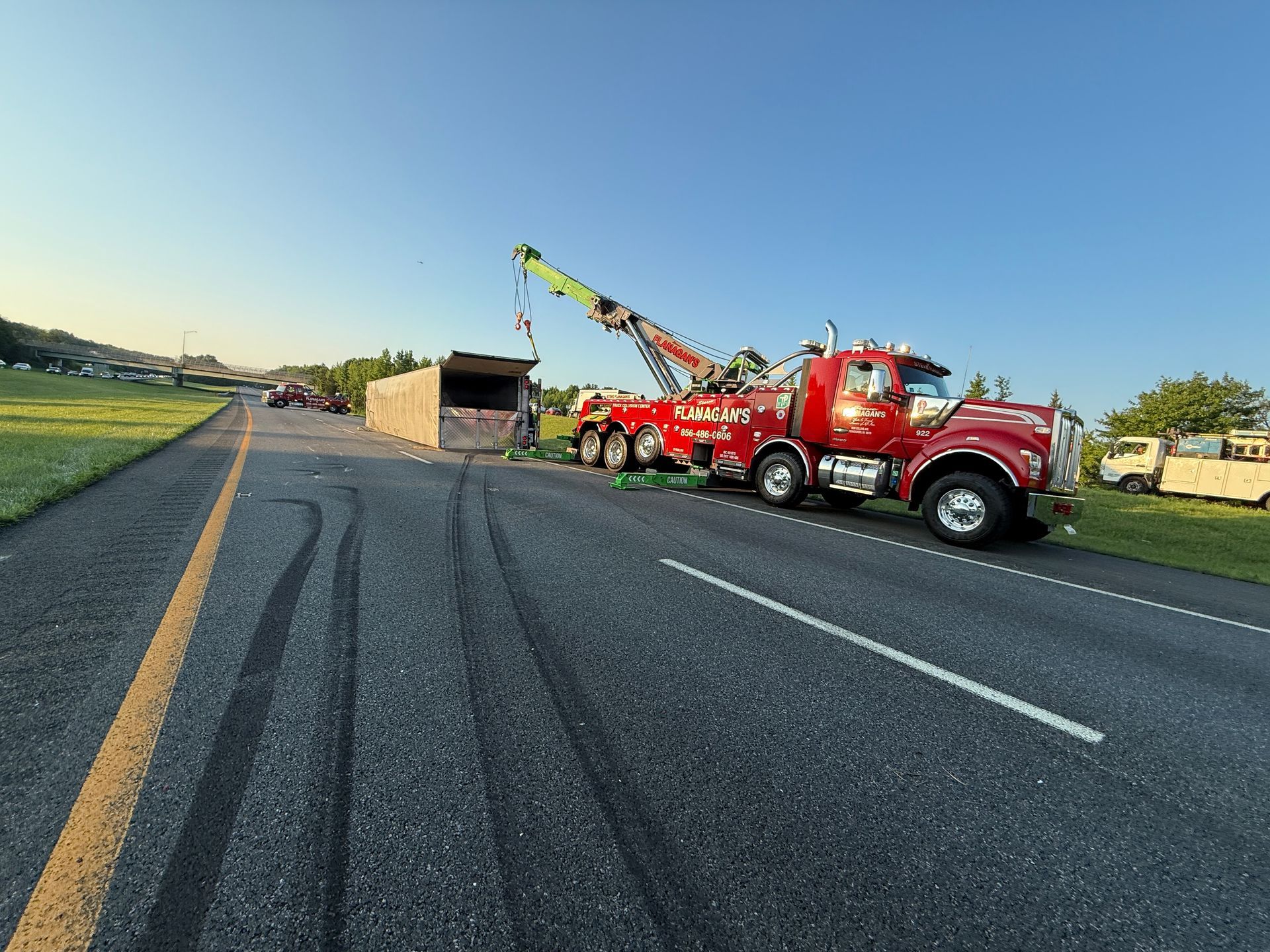
Additionally, there are specialty tow trucks tailored for unique recovery situations, such as rotator tow trucks. These are often used in complex accident scenes, as they can pivot and extend in various directions to handle severe wrecks or overturned vehicles. This breadth of tow truck types highlights their critical role in the industry, showcasing the diversity of solutions provided to meet different recovery needs.
Understand the Types of Tow Trucks and Their Uses
Flatbed tow trucks are a staple in the towing industry due to their versatility and safety features. These trucks transport vehicles by carrying them entirely on a flat platform, eliminating contact with the road. This method of towing prevents additional wear or damage that might occur during transport, particularly for high-end or heavily damaged vehicles. However, flatbed trucks come with their own set of limitations, including the need for a larger turning radius and potentially higher operating costs compared to other tow truck types.
The hook and chain tow truck is the archetype from which many modern designs draw inspiration. This traditional towing method uses chains to lift the front or rear of the vehicle, leaving the opposing set of tires in contact with the road during transport. One significant advantage of hook and chain tow trucks is their ability to handle various vehicle sizes, including larger trucks and SUVs.
Wheel-lift tow trucks represent a technological advancement designed to minimize the drawbacks associated with hook and chain systems. By using a metal yoke under one set of wheels, they lift and transport the vehicle without risking damage to its frame or body. This advancement enables secure and efficient towing for a wide range of vehicles, including those with low ground clearance. Furthermore, wheel-lift tow trucks are easier to maneuver in tight spaces, providing a modern, efficient solution for urban environments.
Implement Safety Protocols and Best Practices for Tow Truck Operations
Tow truck operations inherently involve risks that require stringent safety protocols to protect operators and the general public. Among these is the mandatory use of personal protective equipment, such as gloves, safety vests, and eye protection, to mitigate risks during recovery operations. Regular safety briefings and standardized inspections of equipment ensure that all tools meet operational safety standards. It's crucial that operators understand the weight limits and operational guidelines for their specific tow trucks, reducing the risk of mechanical failure or operator injury.
To further ensure safety, operators must follow procedures for securing the recovery scene before initiating a tow. This includes setting up cones and warning lights to alert oncoming traffic of a roadside operation. Operators should also conduct a preliminary assessment of the vehicle's condition and the surrounding environment before commencing a tow to avoid unanticipated complications. Coordination with law enforcement and emergency services can assist in managing traffic flow and securing the scene, adding another layer of safety.
Technology plays a pivotal role in enhancing the safety of tow truck operations. Implementing GPS and other telematics systems can track tow truck locations and monitor operational parameters, providing feedback for safe driving performance. Advances in communication technology facilitate timely coordination among operators, dispatchers, and emergency services, further promoting safe practices. If you need expert tow truck services, contact Steve Flanigan Truck Services.