How to Know When Heavy Towing Services Are Needed
Vehicle breakdowns are never convenient, but when the vehicle involved is oversized, commercial, or extremely heavy, the situation becomes far more complex. Standard tow trucks are not equipped to handle large loads, specialized suspensions, or industrial-grade components. In these cases, understanding when heavy towing services are required can prevent further damage, reduce downtime, and improve safety for everyone on the road.
From commercial trucks and construction equipment to buses and RVs, heavy-duty vehicles demand specialized recovery solutions. Knowing the warning signs—and the scenarios that call for professional heavy towing—helps operators, fleet managers, and drivers make informed decisions during stressful moments. This guide explains when heavy towing becomes necessary and why choosing the correct service matters.
Identify Vehicles That Require Heavy Towing
Not all vehicles qualify for standard roadside towing, particularly when they exceed the physical or mechanical limits of light- and medium-duty tow trucks. Heavy towing services are typically required for vehicles that are oversized, overweight, or equipped with complex systems that standard equipment cannot safely handle. Common examples include tractor-trailers, dump trucks, box trucks, buses, motorhomes, and large utility vehicles, each of which presents unique challenges due to their size, weight distribution, or specialized components.
If a vehicle has multiple axles, air brake systems, or an extended wheelbase, it often requires heavy towing services rather than conventional towing methods. These design features significantly increase the vehicle’s weight distribution complexity and overall length, which standard tow trucks are not built to manage safely. Multi-axle configurations place additional stress on suspension and steering components during transport, while air brake systems require careful handling to avoid pressure loss or system damage while the vehicle is being moved.
Attempting to tow such vehicles without the proper equipment can lead to serious consequences, including frame misalignment, axle strain, or damage to critical braking systems. Even minor errors in handling can escalate into costly repairs or safety hazards for both the vehicle and those involved in the recovery process. By identifying these factors early and calling for heavy towing services, operators ensure that the vehicle is moved with the correct techniques, specialized equipment, and experienced personnel, reducing the risk of further mechanical issues and ensuring a safe, efficient recovery.
Recognize Mechanical Failures Beyond Standard Repairs
Certain mechanical issues go beyond what roadside assistance or minor towing can safely resolve, particularly when heavy or commercial vehicles are involved. Severe engine failure, transmission damage, seized axles, or broken drivetrains can leave a vehicle completely immobile or unable to move under its own power. In many cases, these failures prevent the vehicle from rolling freely or responding correctly to steering input, making conventional towing both ineffective and risky.
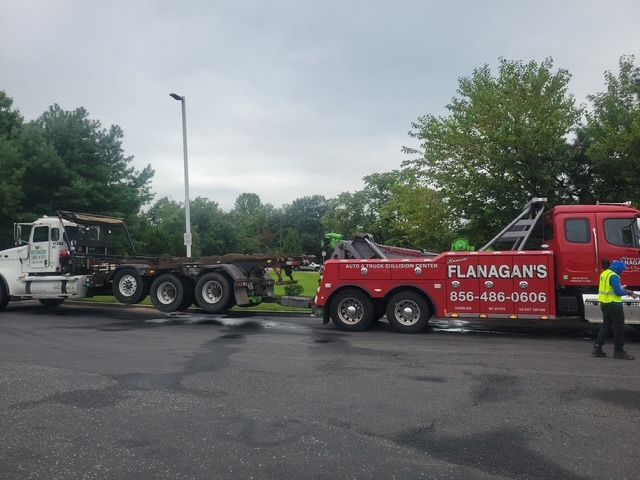
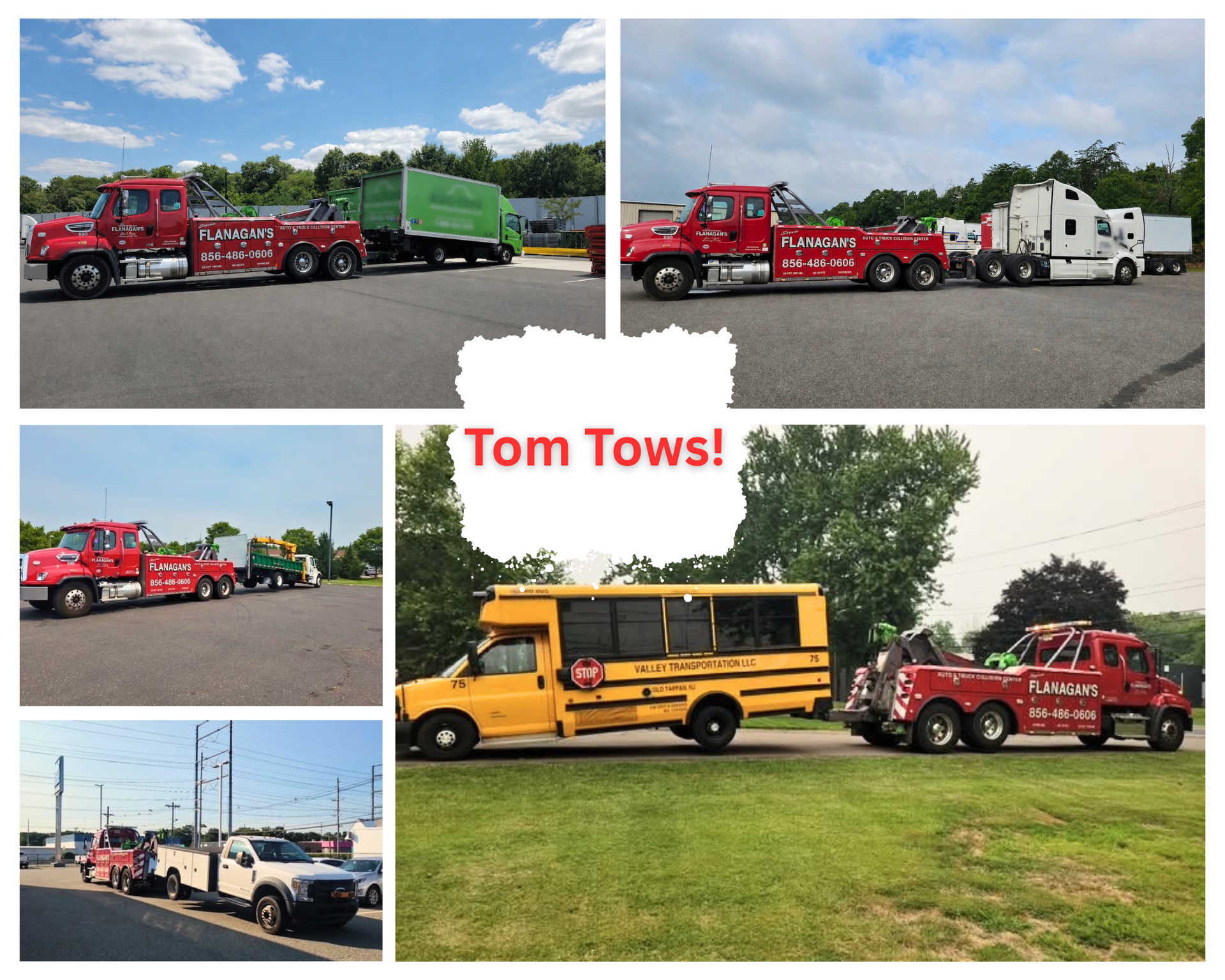
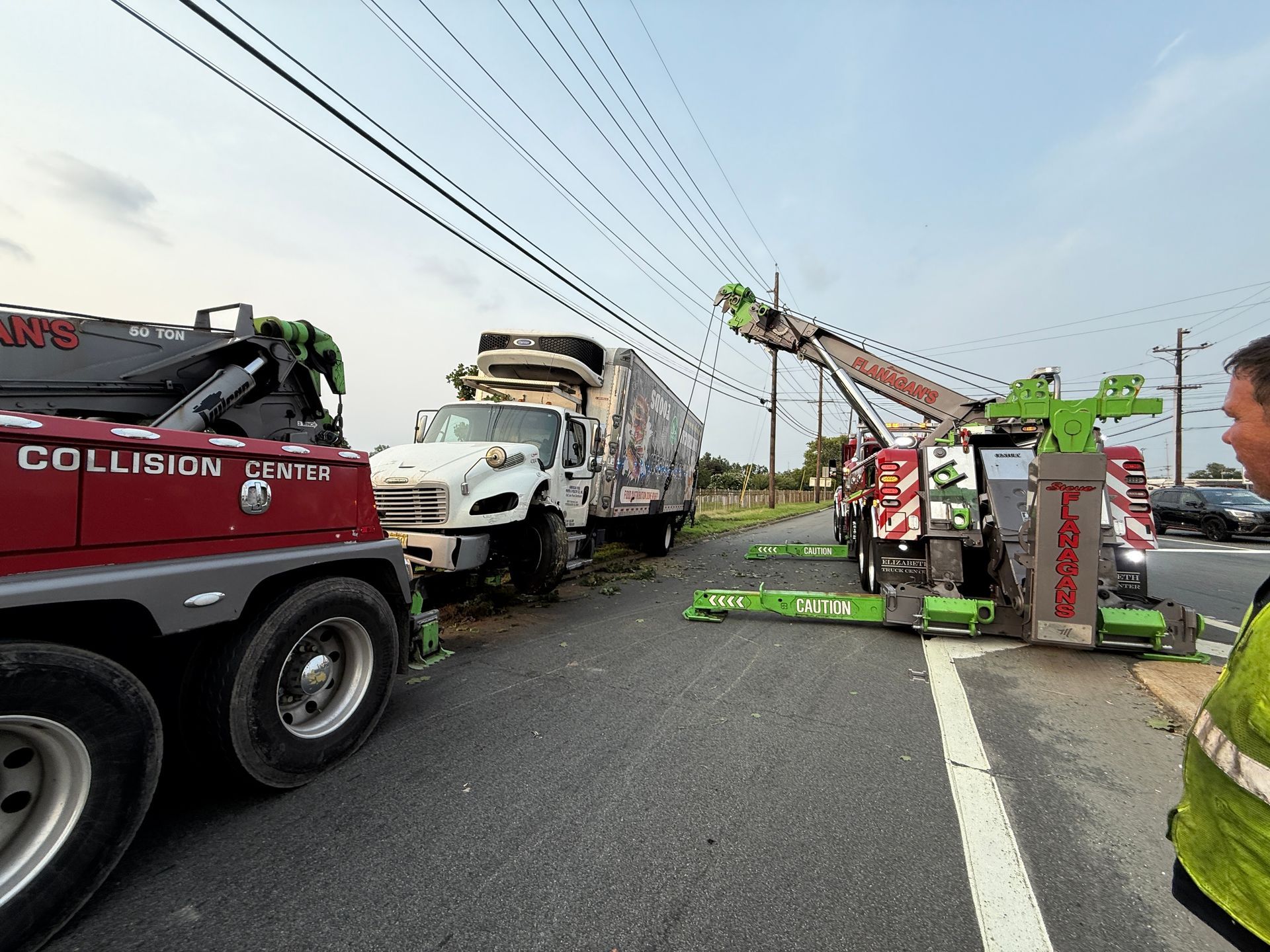
In these situations, heavy towing services provide the power and equipment needed to lift, stabilize, and transport disabled vehicles without worsening the damage. These services often include rotator trucks, reinforced winches, and specialized rigging techniques designed specifically for large commercial vehicles.
Mechanical failures involving air brake systems or suspension components require careful, professional handling because these systems are critical to vehicle safety and stability. Air brakes rely on precise pressure management, and suspension systems maintain weight distribution and ride balance; improper towing can disrupt either system, potentially leading to loss of control, additional mechanical damage, or unsafe transport conditions.
Understand Accident and Recovery Scenarios
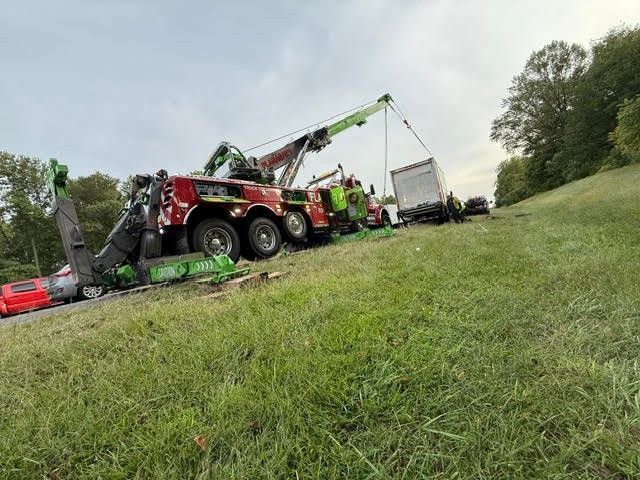
Accidents involving large vehicles require a different level of response than typical passenger vehicle collisions due to the size, weight, and structural complexity involved. Rollovers, jackknifed trailers, off-road incidents, and highway accidents often create unstable conditions that make standard towing methods insufficient. These situations can involve compromised load balance, damaged axles, or vehicles positioned in ways that prevent safe movement without specialized intervention.
Rotator trucks and heavy wreckers are often used to upright vehicles, recover them from ditches, or reposition loads safely. These scenarios require advanced training, precise calculations, and equipment capable of handling uneven terrain and extreme weight. Heavy towing services are specifically equipped to manage these demanding recovery situations while minimizing additional risk.
According to WifiTalents, commercial vehicle towing accounts for approximately 30% of the total revenue generated by the towing industry as of 2025. This significant percentage highlights the growing demand for heavy-duty recovery services across multiple sectors, including transportation, construction, and logistics. The figure underscores how frequently large, commercial, and specialized vehicles require professional towing due to mechanical failures, accidents, or load-related challenges.
Evaluate Load Weight and Cargo Conditions
Even when a heavy vehicle is mechanically functional, load conditions can make standard towing unsafe or impossible. Overloaded trailers, unbalanced cargo, or hazardous materials increase the complexity of towing operations. In these situations, heavy towing equipment is necessary to maintain control and compliance during transport.
Cargo shifts, spilled loads, or damaged trailers often require partial unloading or specialized stabilization before towing can begin. Heavy towing services are designed to manage these variables, ensuring that both the vehicle and its cargo are handled responsibly. This is particularly important for commercial operators who must comply with safety regulations and insurance requirements.
Ignoring load-related concerns can significantly increase the risk of secondary accidents, equipment damage, or regulatory penalties, particularly when heavy or commercial vehicles are involved. Unbalanced, unsecured, or shifted cargo can affect a vehicle’s center of gravity during recovery, making movement unpredictable and hazardous. These conditions can place excessive strain on towing equipment and surrounding infrastructure if not properly managed.
Determine When Time and Safety Are Critical
In many cases, the decision to use heavy towing is driven by urgency and safety concerns rather than convenience. Vehicles disabled in high-traffic areas, construction zones, or other hazardous locations present immediate risks to surrounding motorists and on-site personnel. Limited visibility, narrow lanes, or active work zones can quickly turn a disabled heavy vehicle into a serious safety hazard if it is not addressed promptly.
Heavy-duty tow operators are trained to work efficiently in challenging and high-risk environments where precision and coordination are essential. These situations often involve limited space, moving traffic, uneven terrain, or unstable vehicle positions, all of which require specialized handling. The equipment used in heavy towing is designed to manage significant weight while maintaining control, allowing operators to perform recoveries in a measured and organized manner.
Time-sensitive situations also include fleet operations where downtime directly impacts productivity. Choosing the correct towing solution from the start prevents repeated delays and unnecessary transfers between service providers.
Knowing when heavy towing is needed can make a significant difference in safety, cost, and recovery outcomes. Large vehicles present unique challenges that require specialized equipment, training, and experience. From identifying vehicle classifications to recognizing mechanical failures, accident recovery needs, load conditions, and safety risks, the indicators are often clear once you know what to look for.
Using heavy towing services ensures that oversized or commercial vehicles are handled with the proper expertise, equipment, and safety protocols, protecting both the vehicle and everyone involved in the recovery process. These specialized services account for the vehicle’s weight, load distribution, and mechanical condition, reducing the risk of additional damage that could occur with standard towing methods.
If you are facing a situation that demands professional heavy-duty towing or recovery, contact Steve Flanagan Truck Services to ensure your vehicle is handled safely, efficiently, and with the appropriate equipment for the job. Contact us today to learn more about our services!
Follow Us